From Princess’s Day to the Biggest National Celebration
Every year on 27 April, the Netherlands turns bright orange to celebrate King’s Day (Koningsdag). Streets fill with music, canals turn into floating parties, and cities like Amsterdam become one giant festival. But before it became the lively celebration we know today, King’s Day went through more than a century of royal history and traditions.
Understanding the history behind King’s Day makes the celebration even more special for visitors exploring Amsterdam during this festive time.
The Beginning: Princess’s Day (1885)
The tradition started in 1885 as Princess’s Day (Prinsessedag). It celebrated the birthday of Princess Wilhelmina, who would later become Queen of the Netherlands.
The day was introduced as a way to strengthen national unity in a young constitutional monarchy.
Celebrations mainly included:
- Street games
- Small festivals
- Community gatherings
At the time, the holiday was celebrated on 31 August, Wilhelmina’s birthday.
Queen’s Day: A New Royal Tradition
When Wilhelmina became Queen in 1890, the holiday evolved into Queen’s Day (Koninginnedag).
The celebration remained on 31 August throughout her reign. During this period, Queen’s Day became increasingly popular, especially after World War II, when it became a symbol of national pride and unity.
In 1949, Queen Juliana changed the date of Queen’s Day to 30 April, her own birthday. This is when the celebration truly began to resemble the lively festival we know today.
People started celebrating in the streets with music, markets, and outdoor gatherings.
The Birth of the Famous Free Market
One of the most iconic traditions of the holiday appeared during Queen Juliana’s reign: the vrijmarkt, or free market.
On this day, everyone in the Netherlands can sell items on the street without needing a permit.
This created a unique national flea market where people sell:
- Vintage clothing
- Books and toys
- Handmade crafts
- Homemade snacks
The tradition continues today and remains one of the most loved parts of the celebration.
Queen Beatrix and the National Tour
When Queen Beatrix became monarch in 1980, she kept Queen’s Day on 30 April to honour her mother, Juliana.
A new tradition began during her reign: the royal family would visit a different Dutch town every year to celebrate with the public.
This helped bring the celebration to communities across the country, not just major cities.
From Queen’s Day to King’s Day (2013)
In 2013, the Netherlands welcomed its first king in over a century: King Willem-Alexander.
When he ascended the throne, Queen’s Day officially became King’s Day (Koningsdag).
The celebration date moved to 27 April, the king’s birthday.
Despite the change in name and date, many traditions remained the same:
- Wearing orange
- Street markets
- Music festivals
- Canal parties
The spirit of the celebration stayed true to its origins.
Why Orange?
The colour orange comes from the Dutch royal family, the House of Orange-Nassau. Wearing orange has become a symbol of national pride and unity.
On King’s Day, the entire country participates, from children in face paint to adults in bright orange outfits.
King’s Day Today
Today, King’s Day is one of the largest street festivals in Europe. Amsterdam attracts visitors from around the world who come to experience the unique atmosphere.
For travellers looking for a comfortable base during the celebrations, serviced apartments in Amsterdam offer extra space and flexibility compared to traditional hotels.
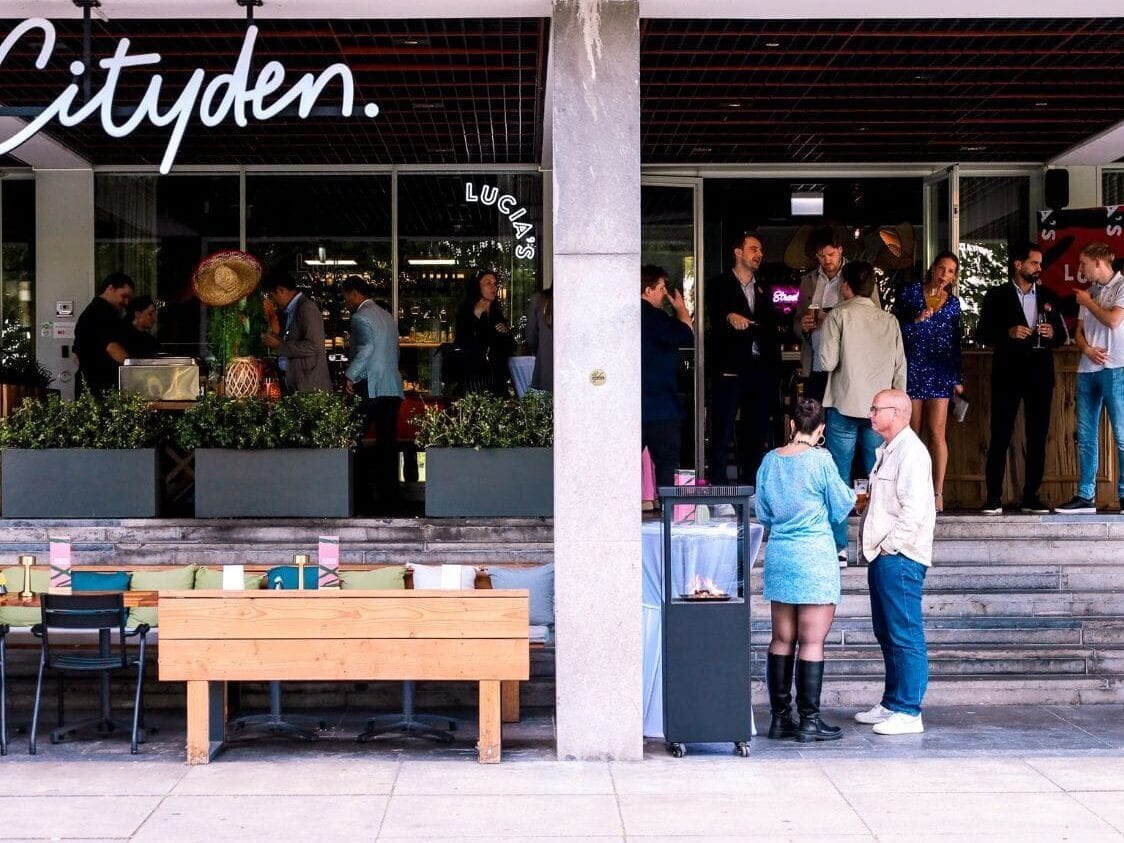
At Cityden Aparthotels, guests enjoy stylish short-stay apartments in Amsterdam with the comfort of home and the service of a hotel. Whether you’re visiting for a weekend trip, family holiday, or business trip in Amsterdam, Cityden offers a relaxed place to recharge after a day of festivities.
For a stylish and comfortable stay in Amsterdam during King’s Day, check out Cityden Aparthotels.









 NL
NL DE
DE FR
FR Language