Every spring, millions of visitors travel to the Netherlands to see the spectacular tulip fields of Keukenhof. Located in the town of Lisse, just outside Amsterdam, this world-famous flower park is one of the most iconic spring destinations in Europe. But long before Keukenhof became a colorful paradise of tulips, it had a very different purpose. Its history stretches back centuries and tells a fascinating story of nobility, landscape design, and Dutch horticultural innovation.
The Origins: A Countess’s Kitchen Garden
The story of Keukenhof begins in the 15th century. At that time, the land belonged to Countess Jacoba van Beieren (Jacqueline of Bavaria). The estate served as a hunting ground and provided herbs, fruits, and vegetables for the kitchen of Teylingen Castle nearby.
This is where the name Keukenhof comes from. In Dutch, it literally means “kitchen garden.” The area was used to grow ingredients for the castle kitchen, making it both practical and productive.
Over time, the estate changed ownership several times, but the name remained. What started as a simple kitchen garden would eventually evolve into one of the most famous flower gardens in the world.
The Creation of the Keukenhof Estate Gardens
In 1857, the estate underwent a major transformation. Landscape architects Jan David Zocher and Louis Paul Zocher were commissioned to redesign the castle gardens. These architects were also responsible for designing Amsterdam’s Vondelpark.
They created an elegant English landscape-style garden around Keukenhof Castle. The design featured winding paths, open lawns, ponds, and natural-looking greenery. Many elements of this historic design still form the foundation of Keukenhof’s park layout today.
Although the gardens were beautiful, Keukenhof was still a private estate and not yet the public flower park we know today.
The Birth of the Flower Exhibition
The modern Keukenhof opened to the public in 1949. A group of Dutch flower growers and exporters had an idea: they wanted a place where growers could showcase their spring flowers, especially tulips, to buyers from around the world.
The Keukenhof estate proved to be the perfect location. In 1950, the park officially opened its gates for the first time as a spring flower exhibition.
The response was immediate. In its first year alone, over 200,000 visitors came to admire the flowers. The concept quickly became a major success and established Keukenhof as an international symbol of Dutch flower culture.

Keukenhof Today
Today, Keukenhof is often called “The Garden of Europe.” Each year:
- Around 7 million flower bulbs are planted by hand
- More than 800 varieties of tulips are displayed
- Visitors from over 100 countries come to see the gardens
The park covers 32 hectares and is only open for about eight weeks each spring, usually from mid-March to mid-May. During this short period, Keukenhof becomes a vibrant showcase of tulips, daffodils, hyacinths, and many other spring flowers.
Visiting Keukenhof from Amsterdam
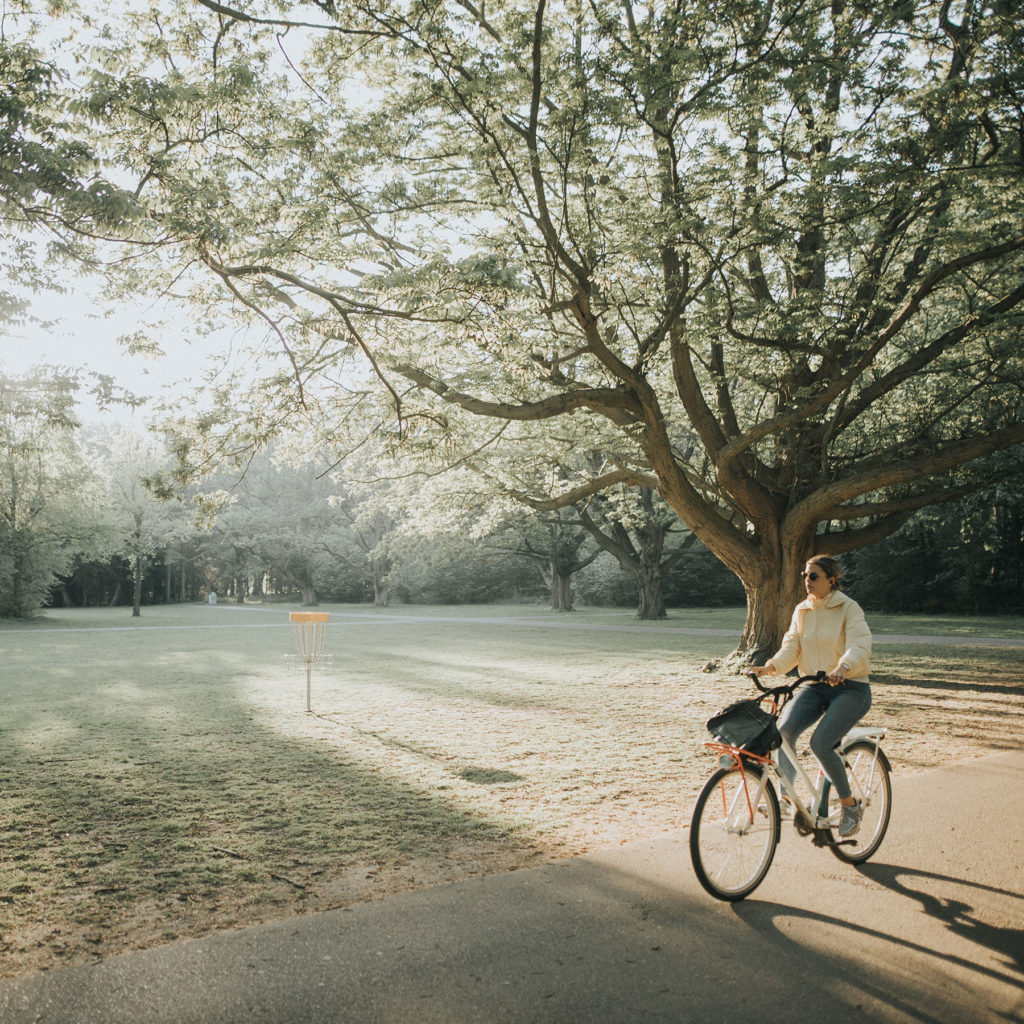
Keukenhof is located about 40 minutes from Amsterdam, making it an easy day trip during the spring season. Many travelers combine a visit to the gardens with cycling through the surrounding Bollenstreek (Flower Region), where endless tulip fields bloom across the landscape.
If you are planning to explore Keukenhof and the surrounding flower fields, staying in comfortable accommodation near Amsterdam makes your trip much easier.
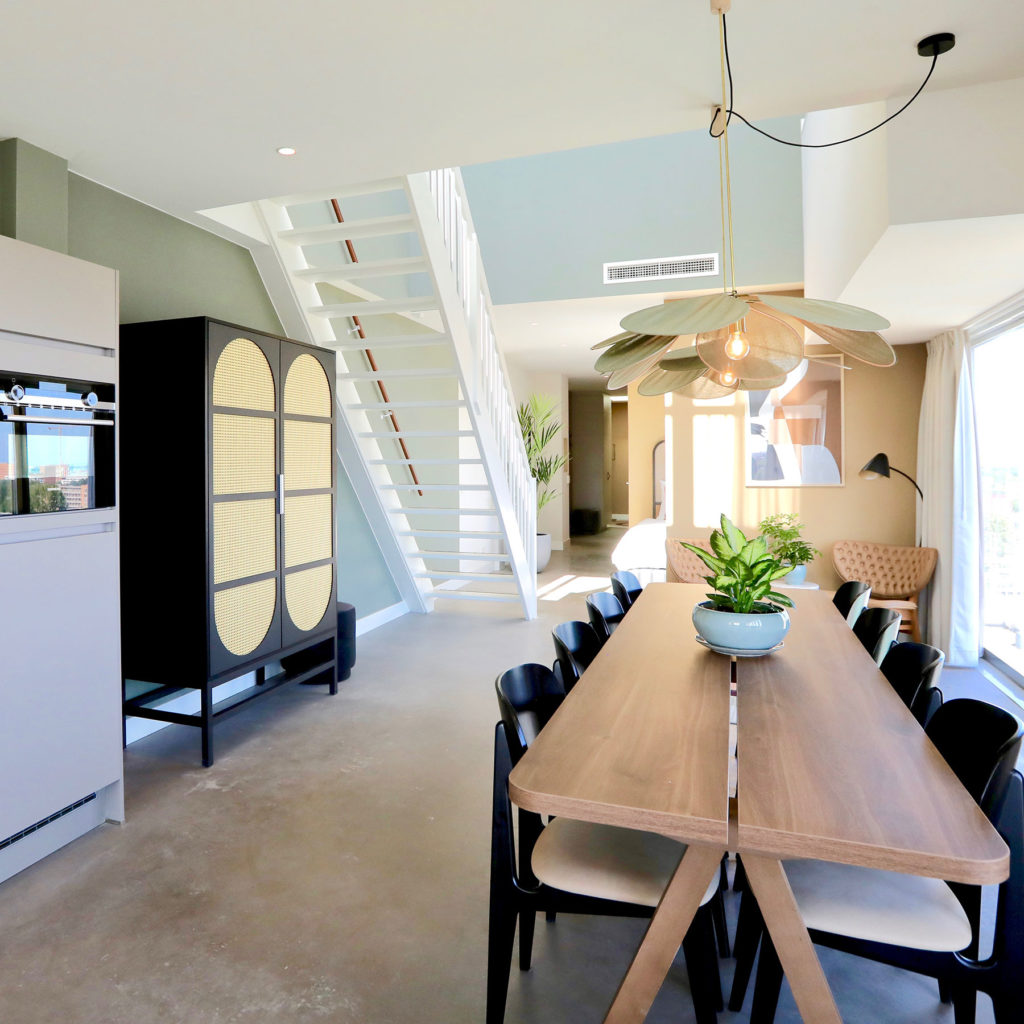
For a stylish and comfortable stay, consider Cityden Aparthotels, offering modern serviced apartments in Amsterdam. With spacious living areas, fully equipped kitchens, and convenient connections to the city and surrounding attractions, Cityden is ideal for both short stays and long stays in Amsterdam.
Whether you are visiting for the tulip season, business travel, or a family trip, it’s the perfect base to explore everything the Netherlands has to offer.








 NL
NL DE
DE FR
FR Language